There is a point near the end of every journey when the miles begin to blur together, yet the moments that matter become wonderfully clear. Leaving Tampa, I pointed the car north toward St. Marks National Wildlife Refuge near Tallahassee, where the road narrows into marsh and sky. At the end of the Wildlife Drive, the refuge rewarded patience with a gathering of birds that seemed to belong to another world. Roseate Spoonbills swept their impossible pink through the shallows while Marbled Godwits, Willets, and Greater Yellowlegs stitched their way across the mudflats. Black Skimmers skimmed the water with effortless precision, Royal Terns wheeled overhead, and then came the surprise of the morning—an immature Reddish Egret, awkward and beautiful, already hinting at the elegance it would one day possess. It reminded me that nature rarely offers perfection all at once. More often, it lets us witness the quiet promise of becoming.
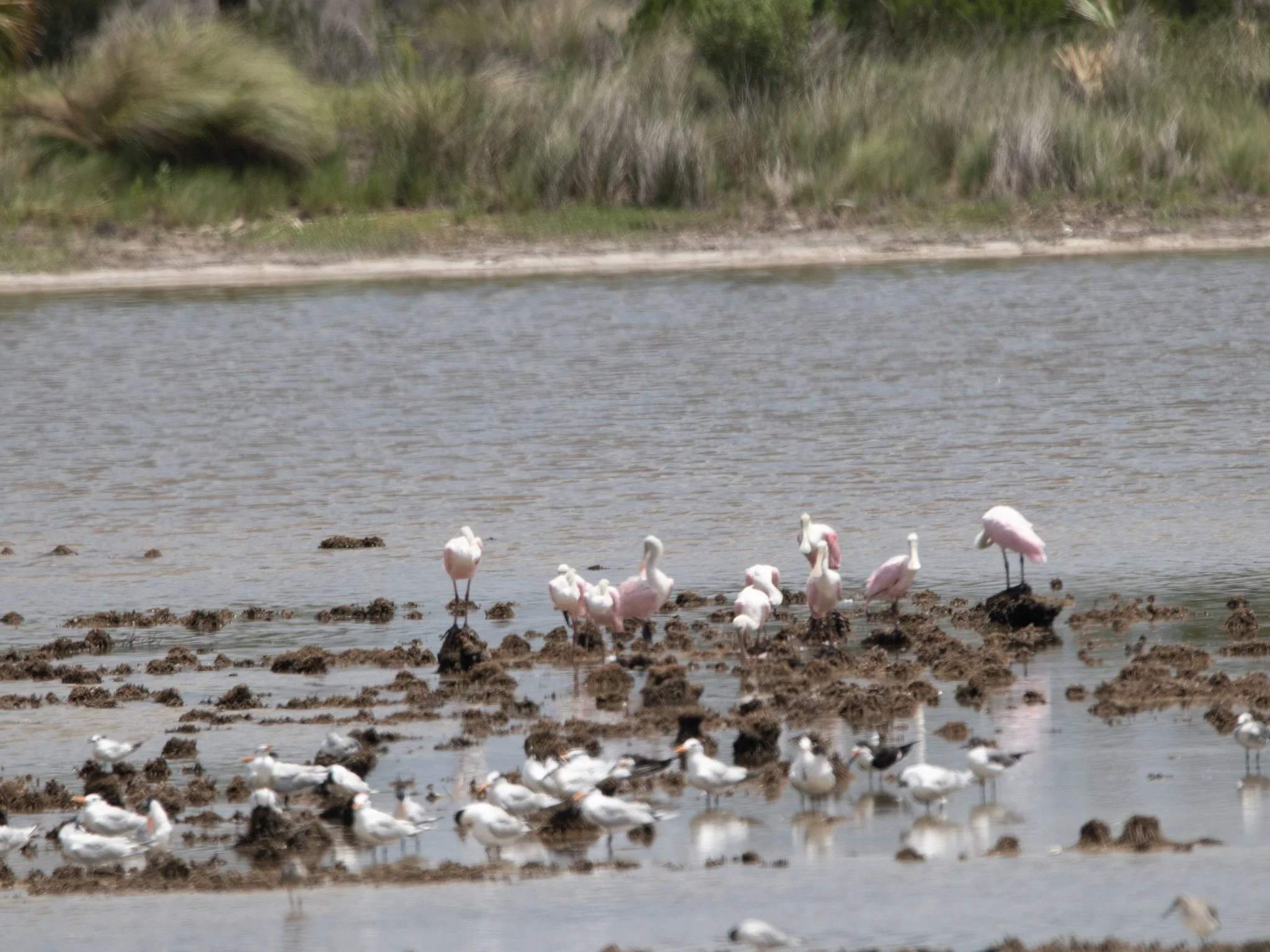
The Brackish Marsh at St Marks Nature preserve.
From there I settled into Camel Lake Campground in Apalachicola National Forest, where longleaf pines whispered overhead and each morning began with birdsong instead of an alarm clock. I spent hours driving the forest roads, hoping for the elusive Red-cockaded Woodpecker. Instead, the forest introduced me to a Bachman's Sparrow, its gentle song floating through the pines like a welcome offered without fanfare. The next day I wandered St. George Island, where the campground buzzed with the cheerful company of Mockingbirds, each convinced it had the finest song on the coast. Then the sky delivered another gift as Antillean Nighthawks circled above me, a sight so unexpected that it stopped me where I stood. I visited more preserves and birding hotspots during the week, but despite the miles, my camera remained quieter than I had imagined. At first that felt disappointing, but slowly I realized the trip was asking something different of me. Not every journey is measured by the number of photographs we bring home. Sometimes it is enough simply to be present while the landscape tells its own story.
The forest saved its greatest lesson for the final morning. I was sitting quietly in camp, coffee in hand, with no expectation beyond enjoying another peaceful day beneath the pines. Without warning, a Red-cockaded Woodpecker landed on the pine tree beside my campsite. After days of searching, the bird had found me instead. It was a gentle reminder that wild things often arrive on their own terms, not ours, and that patience is sometimes the truest form of participation in the natural world. The drive home carried me through Alabama, Tennessee, Kentucky, and finally back to Ohio, arriving just in time for the World Cup. Along the way I realized the journey had never been only about adding birds to a list or images to a hard drive. It was about reconnecting with family, allowing wild places to quiet a busy mind, and remembering that the outdoors always gives more than it takes. The finest souvenirs were not the photographs but the moments of wonder—the pink flash of a spoonbill, the song of a sparrow hidden among the pines, and a woodpecker that appeared only after I had stopped looking and simply learned to wait.
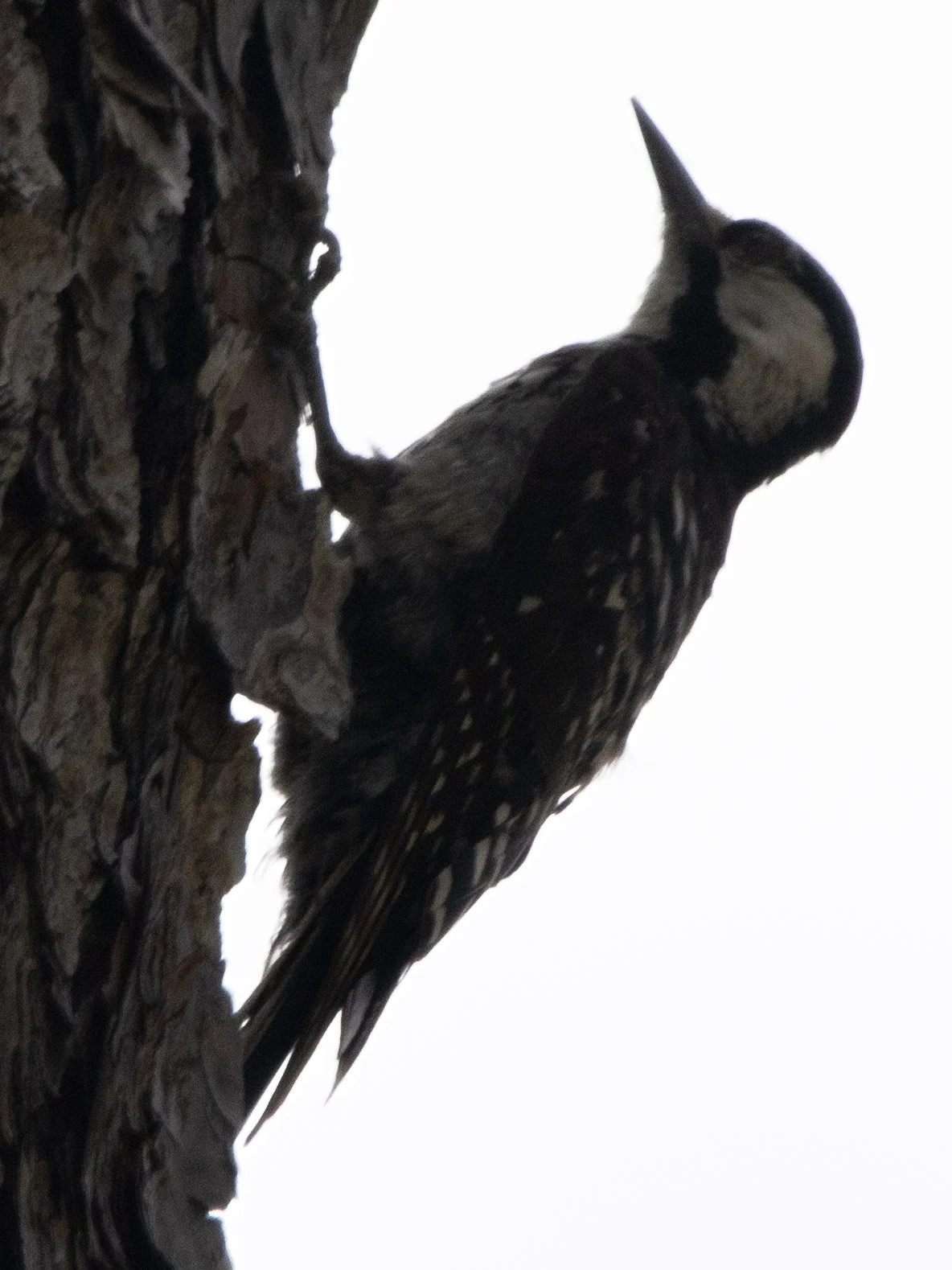
The Red Cockaded Woodpecker
